Further contributions

It is fortunate that Peter Zenker’s grandfather was able to infect his grandson with a passion for farming at an early age. Otherwise, the Fritzhof in Mathildenstraße in Hallbergmoos might no longer be in family hands and there would be no regional organic products from Hallbergmoos for the region. Peter’s parents Gertraud and Karl-Heinz actually had completely different career plans and were therefore not prepared to continue Gertraud’s father’s agricultural business in the fourth generation.
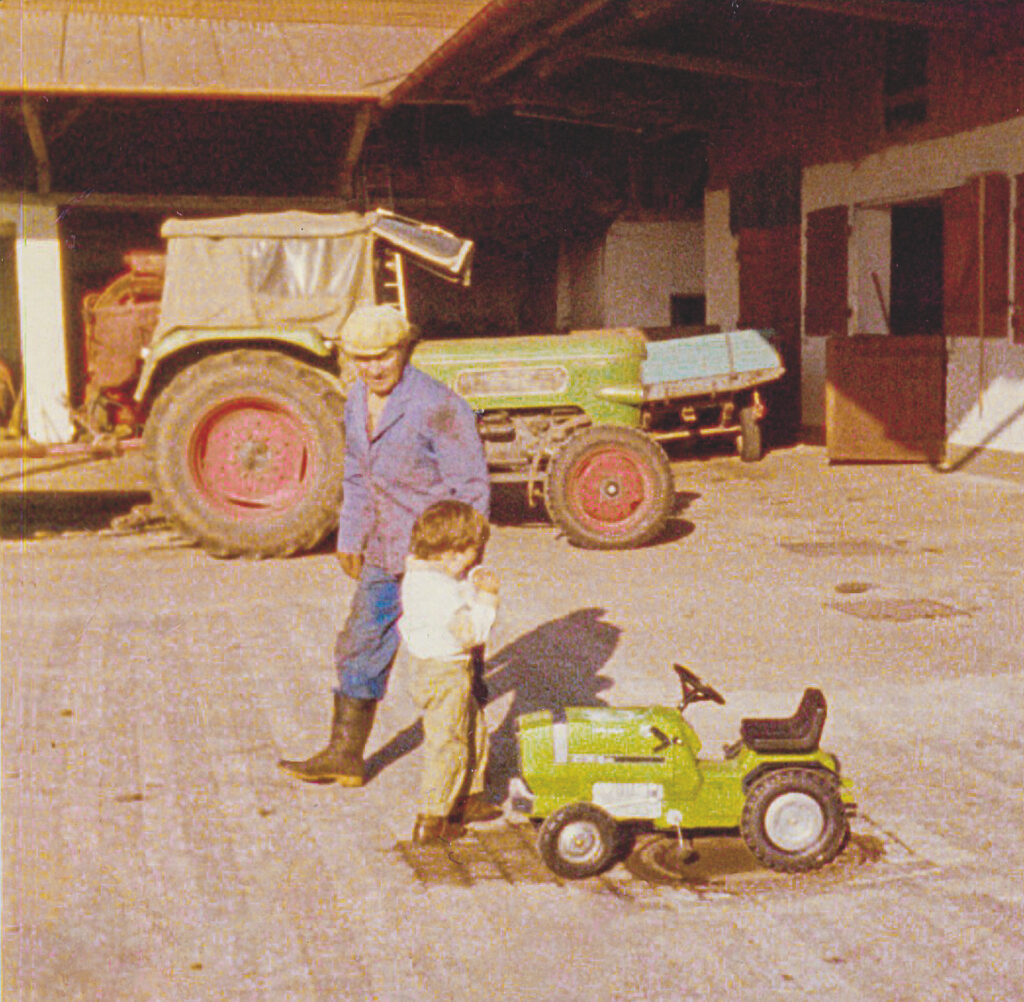
Peter is completely different. Even as a young boy, he was allowed to drive a tractor in the fields. He learned from scratch what makes working as a farmer so special. It quickly became clear that at least the fifth generation would remain true to the family tradition: “After school, I trained as a market gardener in Freising and Paunzhausen and later studied horticulture at the Weihenstephan University of Applied Sciences. During my studies and through various internships, I made the decision to really get stuck in.” In 2005, Peter took over the fields, which had been leased externally since 1989, to pick up where his ancestors had left off. For example, with potato cultivation. Here, the Fritzhof operators had specialized with one of only three bunker-like potato cellars.
First, however, the budding organic farmer planted around 30 crops on a 13,000 square meter field. Yellow and red beets, various types of cabbage, leeks and lettuce. All without pesticides or artificial fertilizers. “That was always the goal for me: I wanted to grow organic vegetables and after two years of conversion, the first products could be marketed with the Bioland seal.” The result: regional organic products from Hallbergmoos.
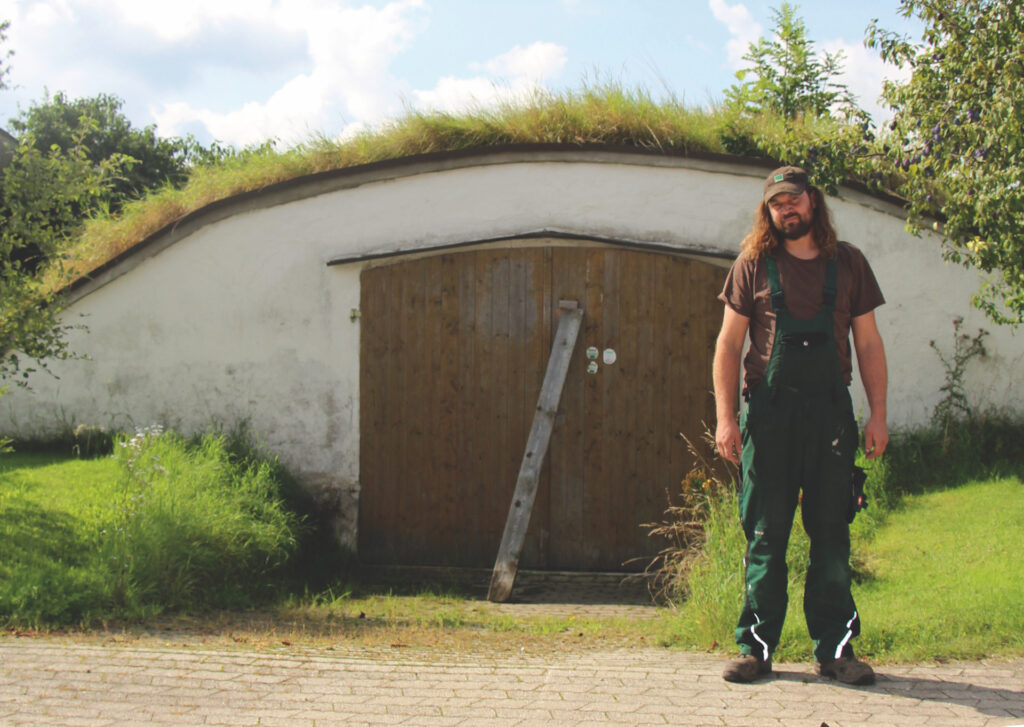
This not only means doing without the supposed blessings of modern agriculture. It also means using agricultural know-how. Peter Zenker accumulated this during his studies. For example, because the use of synthetic chemical pesticides and fertilizers is not permitted under the Bioland guidelines, he uses his own fertilizer by composting all vegetable cleaning waste together with straw-rich horse manure and shrub cuttings. He also avoids hybrid seeds from large seed companies. He prefers to rely on seeds from gardeners and farmers who breed their own varieties. This ensures independence from large global corporations and a larger gene pool. The field, on the other hand, is kept alive by building up humus. And nitrogen is brought into the soil from the air. Many different types of legumes are sown for this purpose. These transport the important nutrient through their nodule bacteria. Finally, flower strips and wild plant margins around the fields attract special insects that can eat potential pests.
Fortunately, the use of modern machinery is permitted. The farmland between Mintraching, Fischerhäuser and Oberdingermoos, which has now grown to 34 hectares due to additional leases, would be difficult to cultivate without it. However, tractors, sowing, chopping, fertilizing and harvesting machines do not make the use of manual labour superfluous. Weeding and parts of the harvest are still done by hand. By Zenker and his team. In addition to four permanent employees, the team consists of eight other seasonal workers. The products of their hard work together – up to 60 hours a week are not uncommon for Zenker – are well received. In fair cooperation, they are mainly sold to organic crate businesses and organic food wholesalers and thus end up in Tagwerk organic markets, Vollcorner branches and various organic crates, which are also delivered in Hallbergmoos.

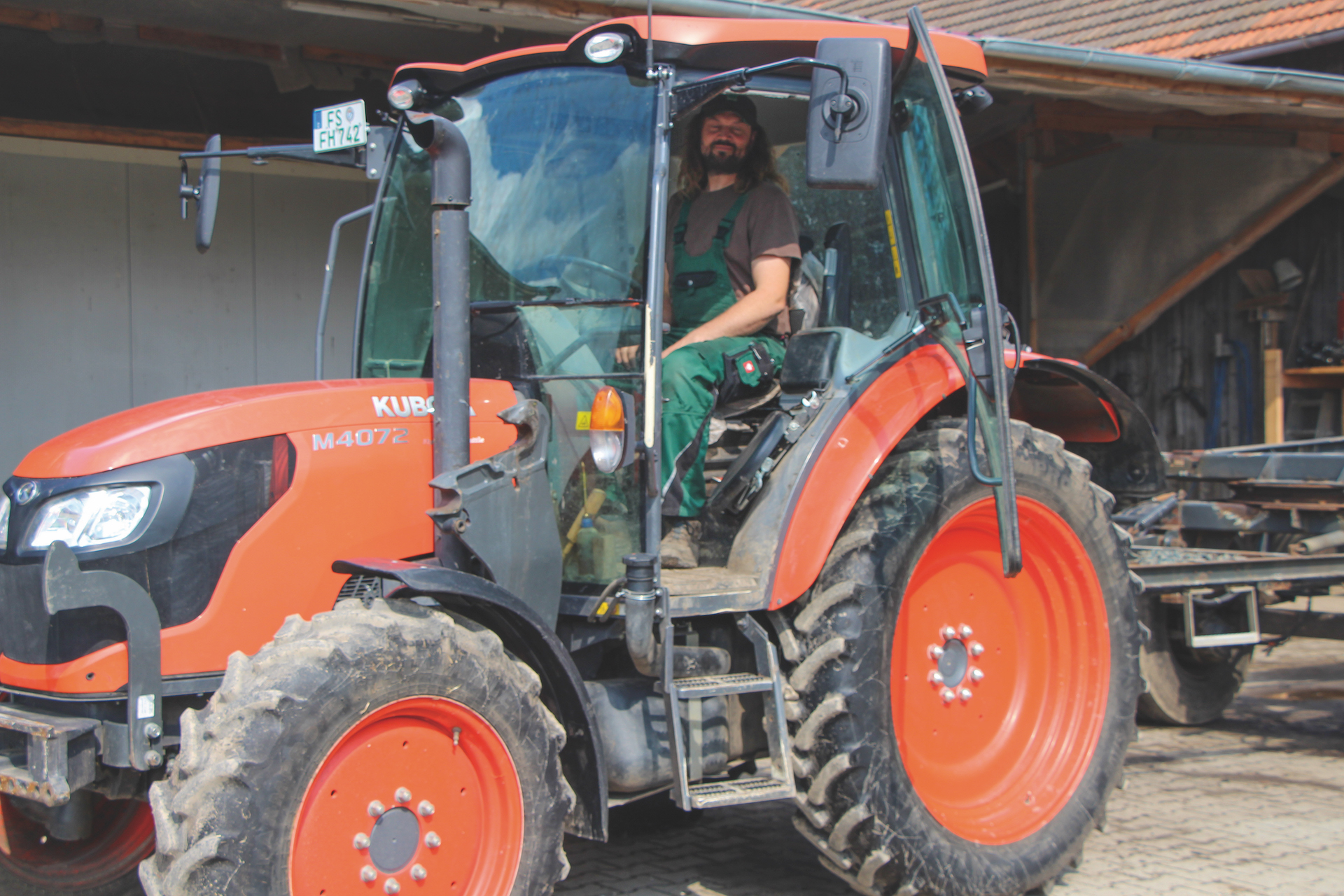
With this team and his partner, who has his back, Zenker is looking for additional farmland to lease. Even at the risk of making his already sparse free time, filled with cooking, cycling, hiking and traveling, even sparser. Unlike his grandfather, there is only one thing he is still missing: a successor to take over the Fritzhof at some point. That’s why he is also looking for a partner, or at least a permanent specialist. “Unfortunately, it’s not that easy, some applicants are put off by the working hours and the general conditions of our profession. After all, working hours depend on the weather and free time is scarce or difficult to plan. But despite everything, for me it’s the absolute dream job.”
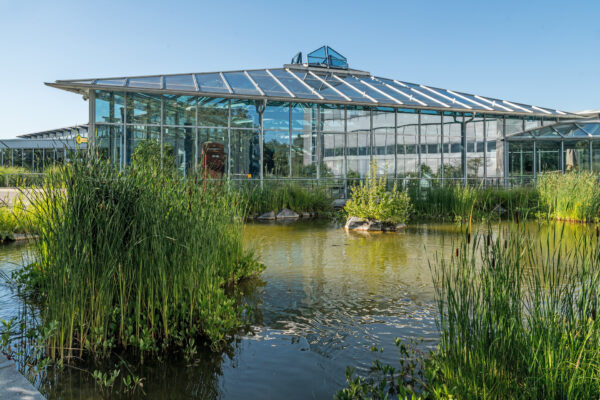
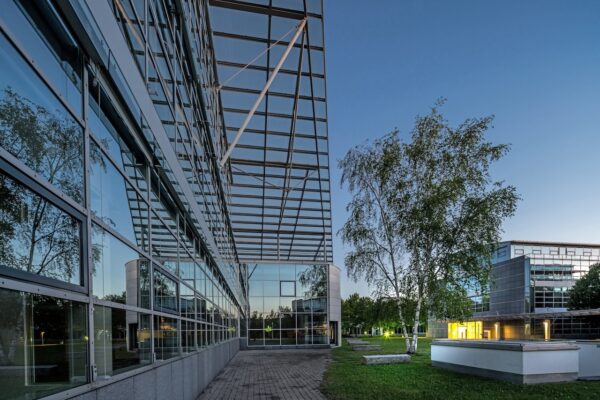
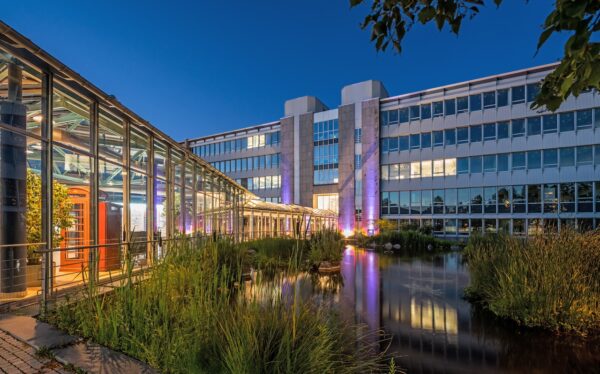
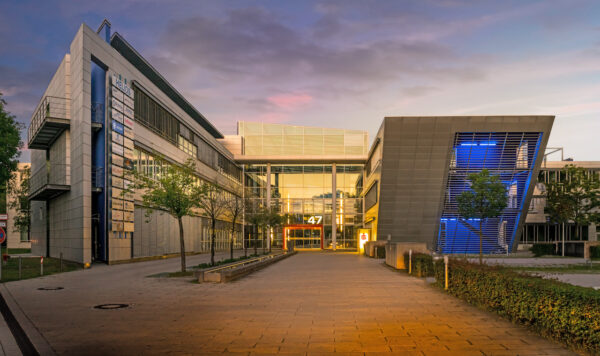
Image material: © Munich Airport Business Park, photo Eva Oestereich
Poster © Munich Airport Business Park, picture&more Iris Besemer
More about agriculture, vegetables and other food products from Hallbergmoos under the Living tab in Regionality & Agriculture.
You need to load content from hCaptcha to submit the form. Please note that doing so will share data with third-party providers.
More InformationYou need to load content from reCAPTCHA to submit the form. Please note that doing so will share data with third-party providers.
More InformationYou need to load content from Turnstile to submit the form. Please note that doing so will share data with third-party providers.
More InformationYou are currently viewing placeholder content from Google Maps. To access the actual content, click on the button below. Please note that data will be shared with third-party providers.
Further informationYou are currently viewing a placeholder content from OpenStreetMap. To access the actual content, click the button below. Please note that doing so will share data with third-party providers.
More Information