Further contributions

The global economy is in a state of flux. New geopolitical challenges, protectionist tendencies and the battle for qualified workers are shaping current economic developments. We spoke to Dr. Michael Heise, multi-award-winning economist and former Chief Economist at Allianz, about the prospects for Germany as a business location and specifically for the municipality of Hallbergmoos and the Munich Airport Business Park. In the interview, he explains why diversification and investment in future technologies are the right way forward.
Dr. Heise: Donald Trump’s re-election is both a blessing and a curse. On the one hand, we have to expect that the USA will rethink its trade relations with Germany and protect its own economy more strongly, particularly through tariffs. On the other hand, the Federal Republic has long failed to activate Germany’s domestic economic forces. Trump’s protectionist policy now makes this all the more important. Germany is therefore facing important decisions. We are more dependent on global structures than almost any other major industrialized country. What we need now are sensible location conditions to attract and retain companies. With the end of the traffic light system comes the hope of an improvement. The three-party constellation in the government was hardly able to act due to major differences of opinion.
Dr. Heise: We should start with measures that don’t cause too much loss of revenue for the cash-strapped state and that work quickly. Reducing bureaucracy is therefore an important point. It would be a free economic stimulus program. We also need to improve incentives to work and get more people into employment. Recent decisions on early retirement and citizen’s benefits go in the opposite direction. Non-wage labor costs, which are particularly high in Germany, would have to fall to make more work worthwhile. The same applies to companies: If, for example, we allow them to write off 50 percent of their investments directly, we are sending clear signals and ensuring that investments and innovations are strengthened.
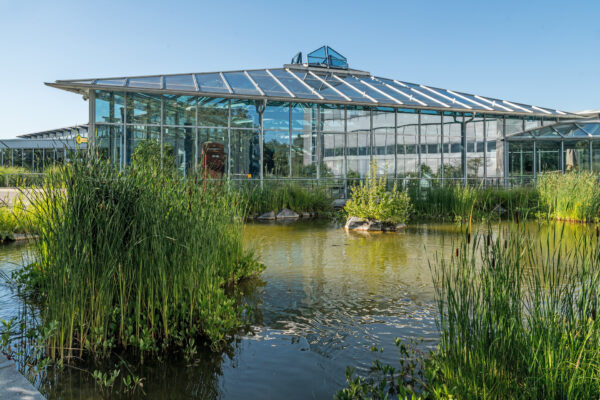
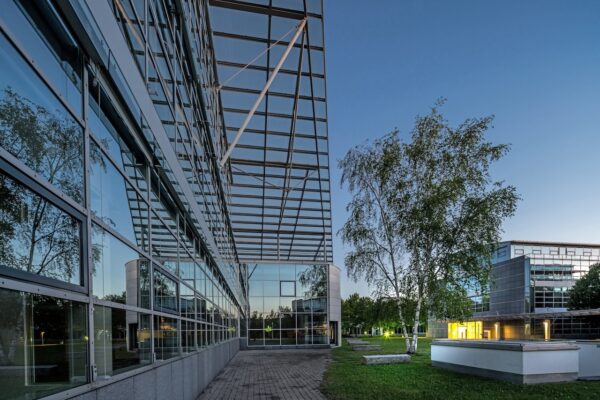
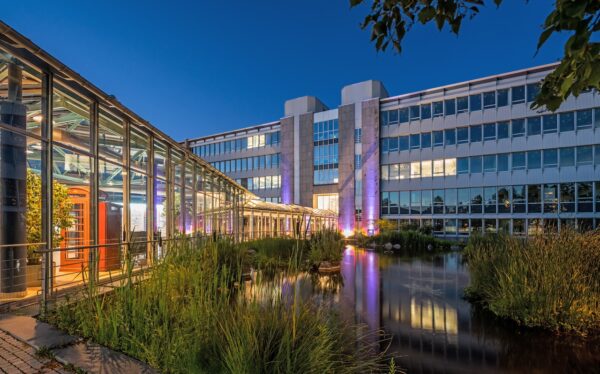
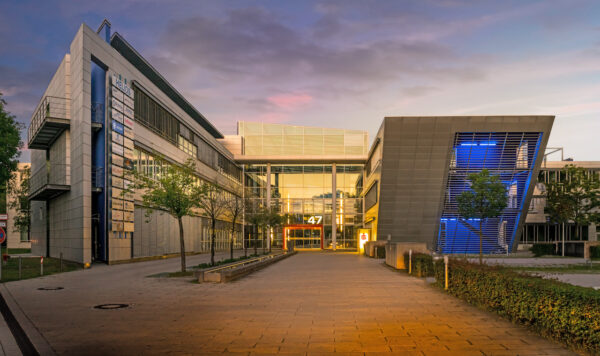
Dr. Heise: The municipality of Hallbergmoos has done a lot of things right. There is a lot of focus on diversification here. This is the key to long-term economic success. With investments such as O2 SURFTOWN MUC, the location shows that it has recognized the signs of the times. The location of future technologies is particularly important – whether environment, technology, life sciences or biotechnology. The reputational effects of these sectors are enormous.
Dr. Heise: It’s about a combination of different factors: attractiveness of location, leisure activities and, of course, good wages. Locations that combine these aspects well have a better chance of attracting and retaining qualified workers and strong companies.
Dr. Heise: International networking remains important, but we need to position ourselves more broadly. The formation of clusters, as can be seen in Hallbergmoos, is a promising approach. Different, future-oriented industries at one location create synergies and make the location more resistant to crises.
Thank you very much for the great conversation!
Images (c) Municipality of Hallbergmoos
You need to load content from hCaptcha to submit the form. Please note that doing so will share data with third-party providers.
More InformationYou need to load content from reCAPTCHA to submit the form. Please note that doing so will share data with third-party providers.
More InformationYou need to load content from Turnstile to submit the form. Please note that doing so will share data with third-party providers.
More InformationYou are currently viewing placeholder content from Google Maps. To access the actual content, click on the button below. Please note that data will be shared with third-party providers.
Further informationYou are currently viewing a placeholder content from OpenStreetMap. To access the actual content, click the button below. Please note that doing so will share data with third-party providers.
More Information