Further contributions

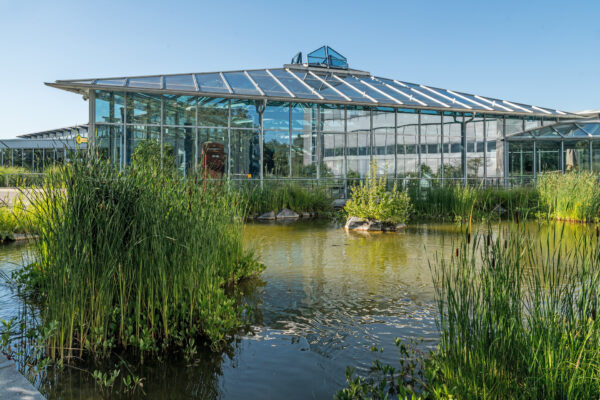
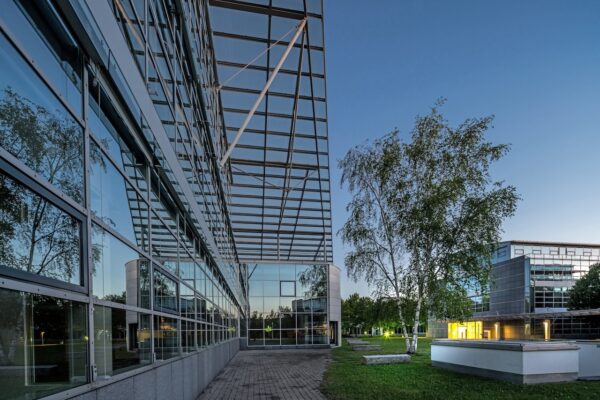
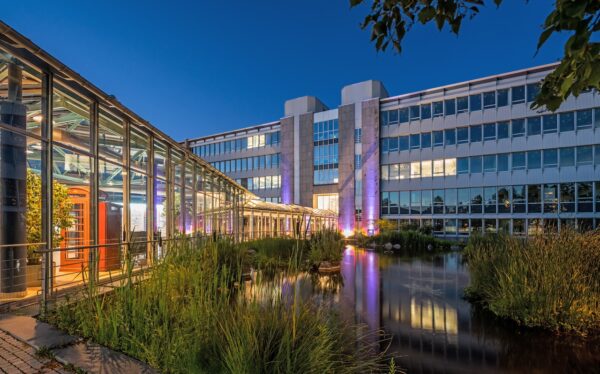
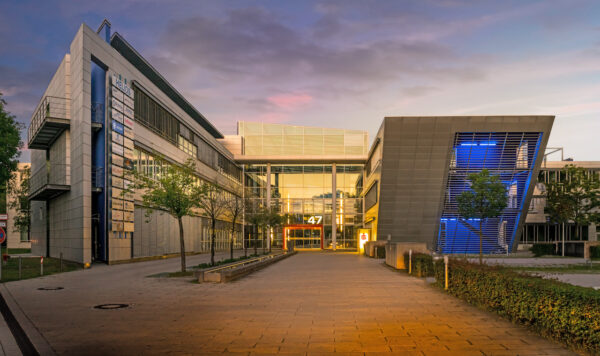
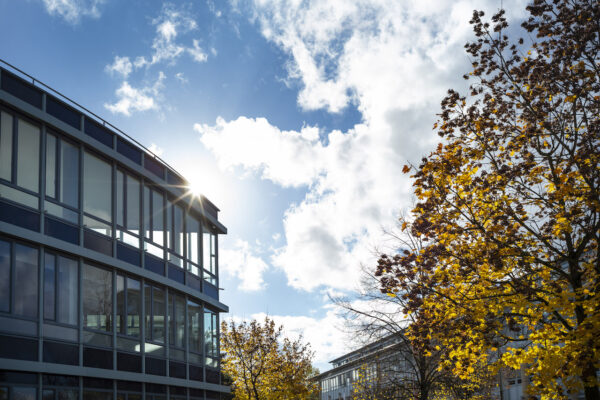
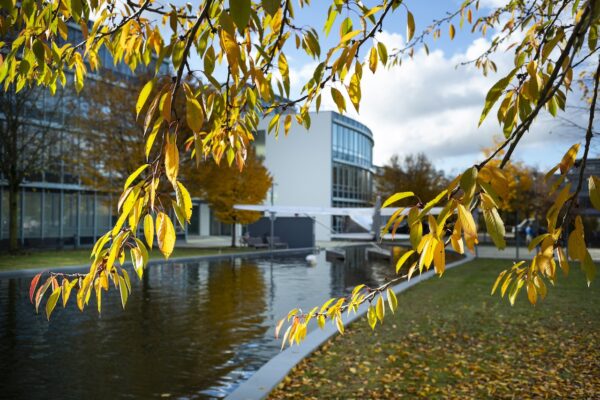
SAP, the world’s third-largest software group, has also had a company headquarters in Hallbergmoos since 1994, where around 500 employees work in consulting, sales and development. However, the challenges of 2020 and 2021 have not yet been faced here either. While, on the one hand, customers had to be prepared for a completely new level of remote working, on the other hand, it was important not to lose sight of the well-being of our own employees. SAP was also involved in numerous developments relating to vaccine supply chains, coronavirus travel certificates and medical demand forecasting. We spoke to Rosemary Ismalou, a communications expert who has been the SAP site representative for Munich for many years, about protecting employees in an extraordinary situation. And we dared to take a brief look into the future with her.
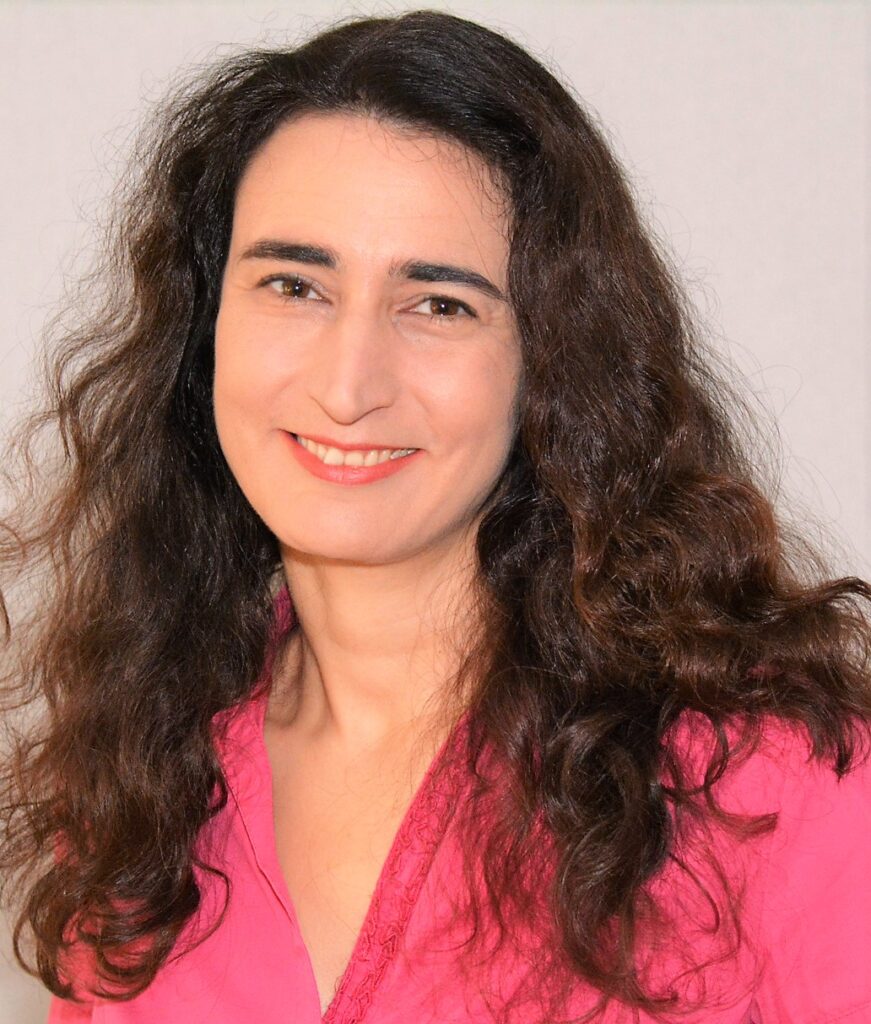
Ms. Ismalou: Before we come to the challenges of the past 15 months or so: What has made the Hallbergmoos site so valuable to SAP for over 25 years?
Rosemary Ismalou: The decision to open an office in Hallbergmoos was made primarily because of the convenient location to the airport and the A9 and A92 highways. This is particularly important for our sales and advisory staff, who have increased travel requirements. The convenient location also makes it easier for our customers to travel to events and meetings on site. In addition to these infrastructural aspects, the location is also characterized by the excellent cooperation with the municipality of Hallbergmoos and the business development agency. There is a regular exchange between the companies and the municipality via the economic advisory board and they are always kept informed about current issues. Concerns can also be addressed at any time, and the support provided by the business development agency is exemplary.
Nevertheless, the past year must have been particularly challenging for one of the world’s largest providers of business software in the cloud. How have you experienced the upheavals as a company?
Rosemary Ismalou: The past year was definitely challenging for SAP, as for all companies worldwide, and was initially characterized by a great deal of uncertainty among both our employees and our customers. It was important for SAP to issue clear guidelines and recommendations to the workforce right from the start. We achieved this through a clear commitment from the Executive Board regarding job security, the pooling of interdisciplinary expertise through a dedicated Pandemic Task Force and a daily global situation analysis by our Health Team. We have experienced incredible solidarity and a willingness to help among our colleagues. Our top priority was the health and safety of our employees and their families. As working from home has been possible at SAP for a long time, we were able to react quickly and switch to working from home almost 100% of the time.

What challenges have you faced on the customer side since the pandemic forced so many companies’ employees to work from home?
Rosemary Ismalou: An important aspect for us right at the start of the pandemic was to reassure our customers that we had developed business continuity plans to safeguard both our own business processes and those of our customers and to minimize the impact on our services. Many of our employees are on site with customers to support their software implementation projects. We were able to quickly switch to full remote support to ensure the health and safety of our colleagues and our customers. SAP has also provided its customers with a comprehensive range of Essential Business Services to assist with risk management and business continuity during the pandemic.
During the crisis year, SAP went its own innovative ways early on. Especially with regard to its own employees. For example, you provided your employees with a corona bonus of 50 million euros worldwide.
Rosemary Ismalou: SAP is an IT company and our employees are our most important asset. It is therefore important for us to support them in such uncertain times and to express our appreciation for their performance. Our colleagues have shown great commitment, not only to our customers, but also to social projects. To allow them to actively participate in SAP’s success, the bonus was distributed via a share-based program.
What other issues has SAP tackled in the context of coronavirus and employee protection? Especially here at the Hallbergmoos site?
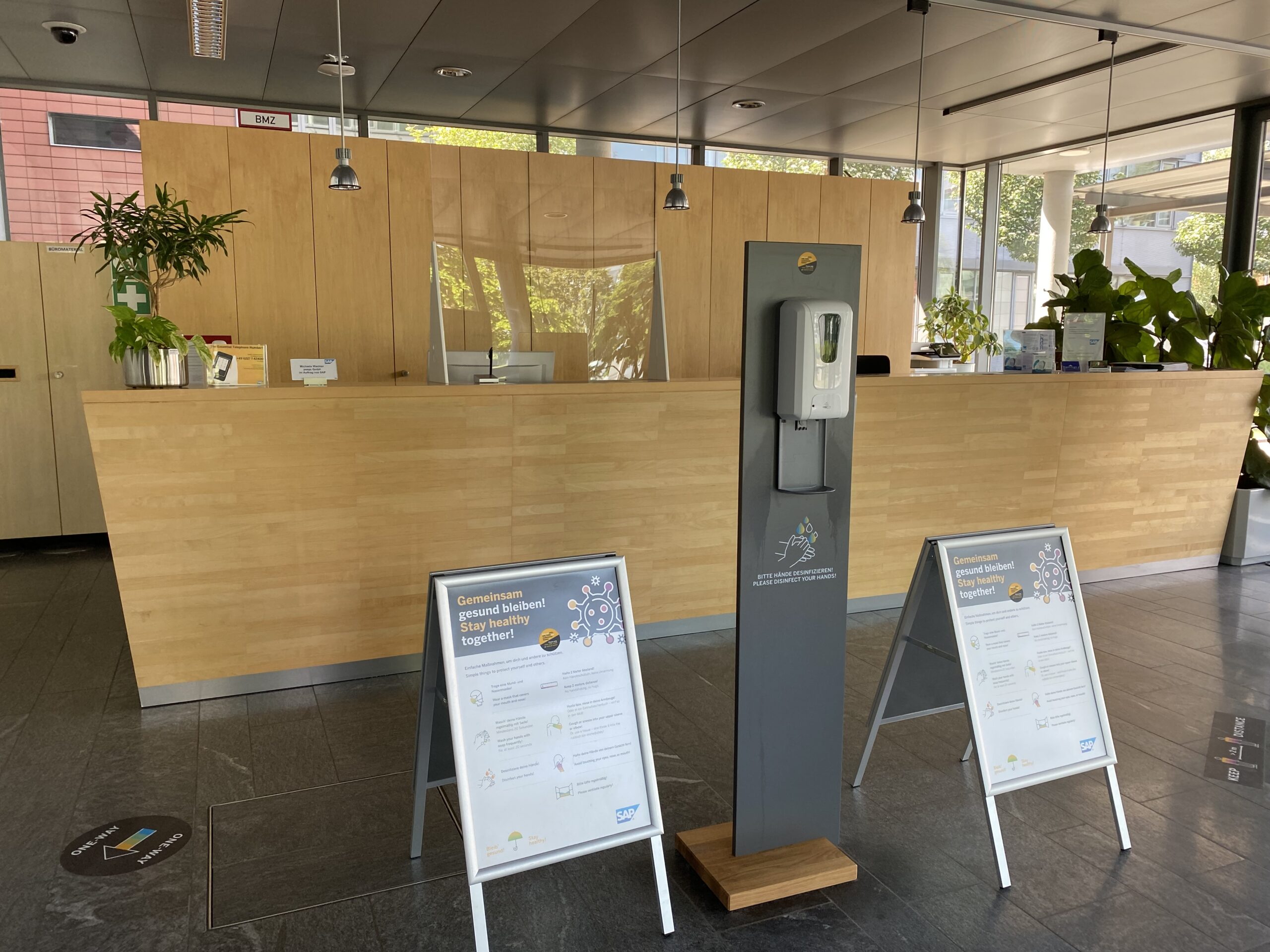
Rosemary Ismalou: SAP has offered all employees the opportunity to work from home. Anyone who wants to continue working in the office for certain reasons can still do so, as we have equipped all locations with extensive hygiene concepts. As at all other branches, appropriate safety measures have also been introduced in Hallbergmoos, such as daily disinfection of door handles and railings, screens for reception, maximum occupancy of office and meeting rooms and much more. There is also the opportunity to be tested on site twice a week using an antigen test. In addition, a vaccination program for all SAP employees in Munich is also planned for Hallbergmoos via company doctors as soon as stocks of vaccine allow. From the outset, it was important to SAP that mental health programs were available in addition to physical health programs. Even before the pandemic, we had a wide range of courses such as mindfulness, resilience and stress management, which were expanded even further. The SAP Executive Board set an important example by giving all employees worldwide a day off on April 27, 2021, known asMental Health Day. A day on which all SAP employees should focus on their own well-being.

When do you expect to return to the offices? And under what changed conditions?
Rosemary Ismalou: We are under no pressure to return to the offices as quickly as possible, as we were well positioned with trust-based working hours and working from home right from the start. Of course, many colleagues will be happy when they can return to the office and physical team meetings and events are possible again. We are clearly adhering to the federal government’s guidelines here. If relaxations are planned in companies, we will examine and implement them. We will certainly have to comply with the AHA rules and the mask requirement for a long time to come.
How will the (working) world as a whole, and with it SAP, change in the near (post-pandemic) future? What will you as a company take away from this time?
Rosemary Ismalou: The pandemic has shown that companies need to take the step towards digital transformation in order to remain competitive. It is crucial to react quickly to changing market conditions. Innovation is becoming increasingly important. The strategic direction of a company must take digital change and the most important top tech trends into account. SAP has also recognized the need to provide an inclusive work environment for its own workforce, where all employees can work from home, in the office or on the move in order to live, work and contribute to the success of our customers in the best possible way.
Ms. Ismalou, thank you for this interview.
Images: © SAP Germany and municipality of Hallbergmoos, photographer: Manfred Zentsch
You need to load content from hCaptcha to submit the form. Please note that doing so will share data with third-party providers.
More InformationYou need to load content from reCAPTCHA to submit the form. Please note that doing so will share data with third-party providers.
More InformationYou need to load content from Turnstile to submit the form. Please note that doing so will share data with third-party providers.
More InformationYou are currently viewing placeholder content from Google Maps. To access the actual content, click on the button below. Please note that data will be shared with third-party providers.
Further informationYou are currently viewing a placeholder content from OpenStreetMap. To access the actual content, click the button below. Please note that doing so will share data with third-party providers.
More Information