Further contributions

Almost 200 countries have committed to limiting global warming to 1.5 to a maximum of 2 degrees compared to pre-industrial times in the Paris Climate Agreement. For the economy, this means, among other things, decarbonization or greenhouse gas neutrality by 2050. The fact that even this may not be enough to prevent far-reaching consequences for our environment and future generations has not only been confirmed by the Federal Constitutional Court, which has called on the German government to tighten up its climate protection measures. Erwin Grießer, Managing Director of BFF GmbH, which specializes in information management and data science services, also sees an urgent need for action. Not only has he already led his company in the direction of climate positivity, but he has also explained the necessary steps to achieve this as part of the CommendIT corporate network, whose Munich North regional group he also heads. We spoke to him about climate neutrality and the path to environmental certification.
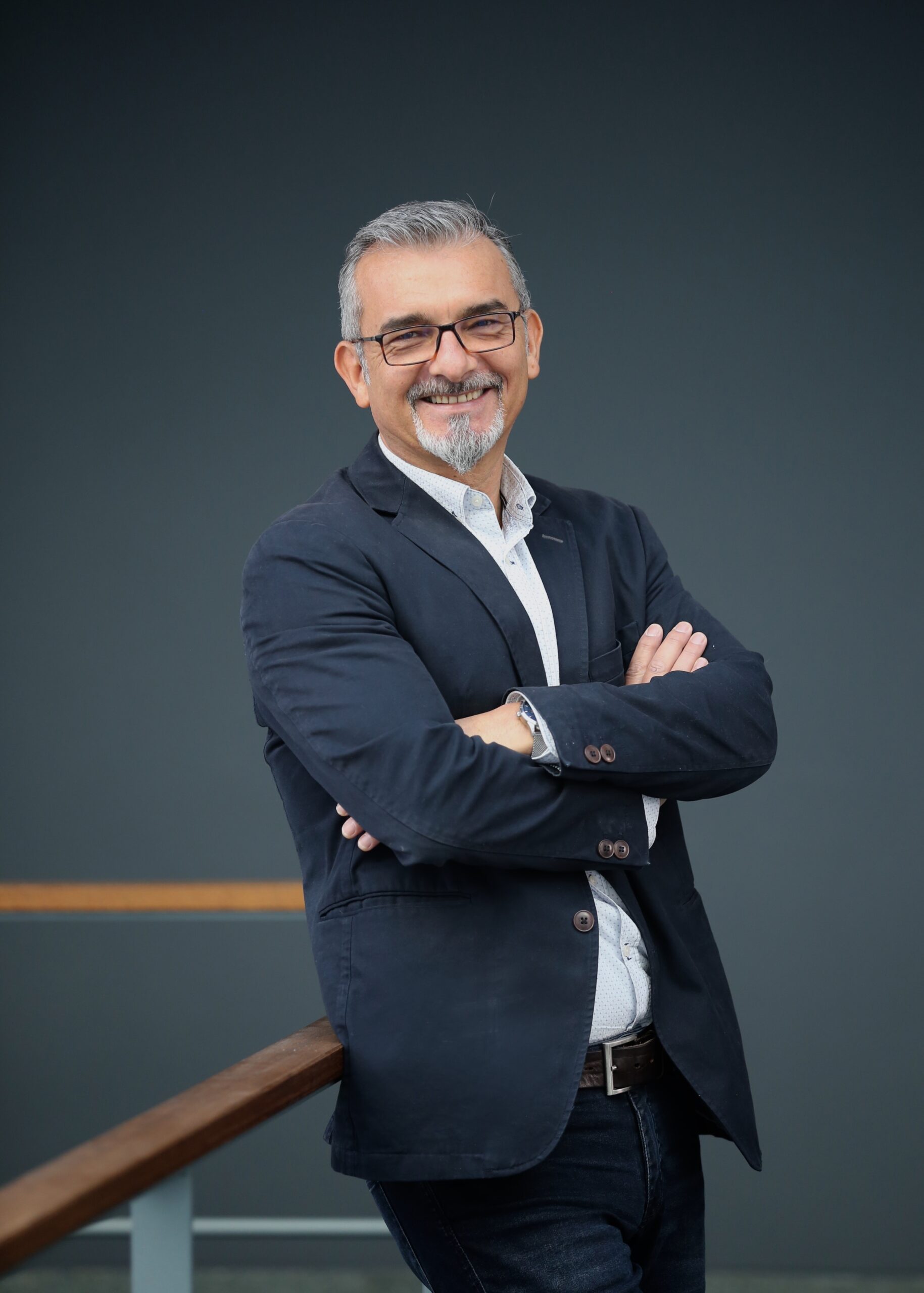
Mr. Grießer, the Paris Agreement and its national implementation require citizens, but above all companies, to drastically reduce their emissions and carbon footprint. In your opinion, how much more would companies have to do?
Erwin Grießer: In the medium term, it will be important for all companies to be climate-neutral. The success of emission reductions depends to a large extent on consistent action by the economy in industrialized countries. To achieve this, the focus should be on avoiding climate-damaging gases, not offsetting them. The ultimate goal would therefore be overcompensation, i.e. climate positivity.
What do I gain as a company if I make my company climate-neutral?
Erwin Grießer: First and foremost, they are doing something to protect the climate. But they are also becoming more attractive to employees and customers, as the issue is becoming increasingly present in all areas.
What benefits do companies gain from having their companies certified?
Erwin Grießer: It’s similar to an ISO standard. They can use the certification in the company’s public image to show that the issue is important to them. In the medium term, this will also become increasingly important in customer relationships, as a climate-neutral supply chain is also becoming more important for groups and companies.
How do I get such a certification? Who awards it, who is authorized to do so, what does it cost and why should I certify?
Erwin Grießer: There are various companies that offer this service. The company’s carbon footprint is generally assessed in accordance with the Greenhouse Gas Protocol as a global standard. The unavoidable emissions are offset in accordance with the Kyoto Protocol through projects in developing countries in line with various standards. The certifying company is responsible for processing. The costs depend heavily on the size of the company and the remaining emissions. Customer awareness is changing and they are paying more and more attention to who they buy from, which is why certification definitely makes sense.
You have taken decisive steps towards climate positivity with your company BBF and have even offset twice the amount of greenhouse gas emissions of your company. Was it difficult to commit your colleagues and employees to greater sustainability?
Erwin Grießer: Sustainability has been at the top of our agenda for some time now. Climate neutrality or climate positivity are just a further step. We are aware of our special responsibility as a company towards future generations and have acted accordingly. Our employees have been fully behind our decisions right from the start.
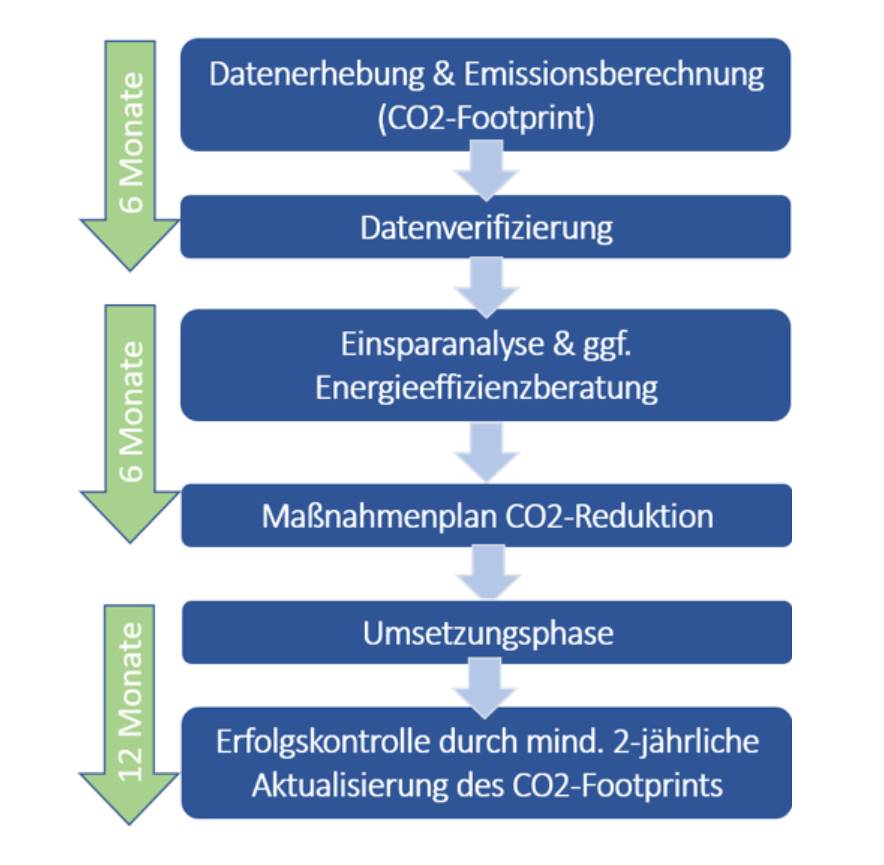
The steps to (at least) climate neutrality are the same everywhere: Identification of climate-damaging factors, calculation of conversion costs, evaluation of costs and benefits, reduction of the carbon footprint, offsetting of surpluses and, ideally, finally certification by a recognized company. In the case of BBF, this meant a waste reduction of more than 70 percent thanks to a change in the food and beverage supply and the elimination of paper, while electricity consumption was reduced by 34 percent through software and hardware optimization. Finally, cell phones and laptops that were no longer needed were donated to charity and, of course, the focus was on making travel as climate-neutral as possible. Finally, greenhouse gas emissions were offset twice by purchasing certificates from two environmental protection projects in Peru and Rwanda. The result: climate positivity certified by Fokus Zukunft, which should be the focus of every company’s future actions. Because more important than the state-imposed obligation (climate neutrality) is the self-imposed option (climate positivity), which is a corporate responsibility for the future.
Image material: © BBF GmbH, Fokus Zukunft, CommendIT
You need to load content from hCaptcha to submit the form. Please note that doing so will share data with third-party providers.
More InformationYou need to load content from reCAPTCHA to submit the form. Please note that doing so will share data with third-party providers.
More InformationYou need to load content from Turnstile to submit the form. Please note that doing so will share data with third-party providers.
More InformationYou are currently viewing placeholder content from Google Maps. To access the actual content, click on the button below. Please note that data will be shared with third-party providers.
Further informationYou are currently viewing a placeholder content from OpenStreetMap. To access the actual content, click the button below. Please note that doing so will share data with third-party providers.
More Information