Further contributions

Microbiome research from Hallbergmoos – quality assurance in the beer brewing process, microbiological monitoring of wastewater treatment plants and support for the production of biotherapeutics and probiotics: vermicon AG, which has been active in industrial microbiology since 1997, will be docking in Hallbergmoos from March 2022 with biotechnological expertise and far-reaching plans for the future. In an interview, CEO Dr. Jiri Snaidr explains what microbiome research actually is and what makes it so important.
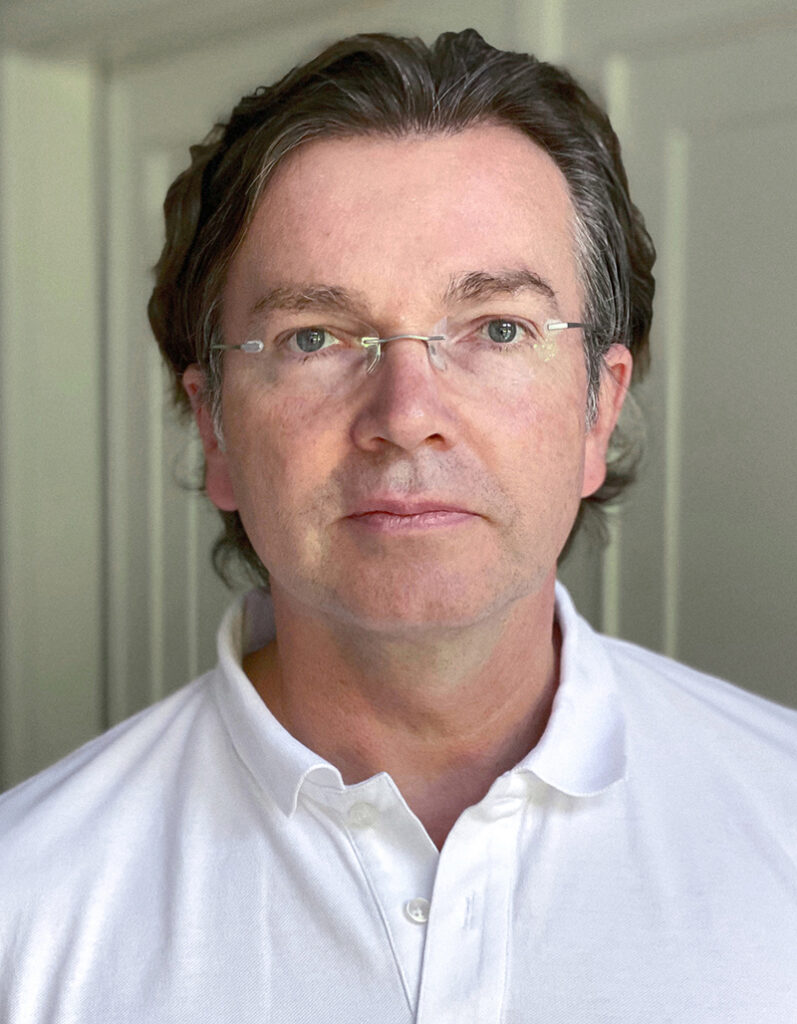
Microbiome research is only one part of our activities. We are also active in the field of wastewater and in the beverage sector. vermicon AG has developed a process with which microorganisms can be detected in a highly specific manner directly at the site of their activity.
We no longer have to resort to the outdated technology of cultivating microorganisms! We can identify and quantify bacteria, yeasts, fungi and viruses at the site of their action. This has incredible advantages.
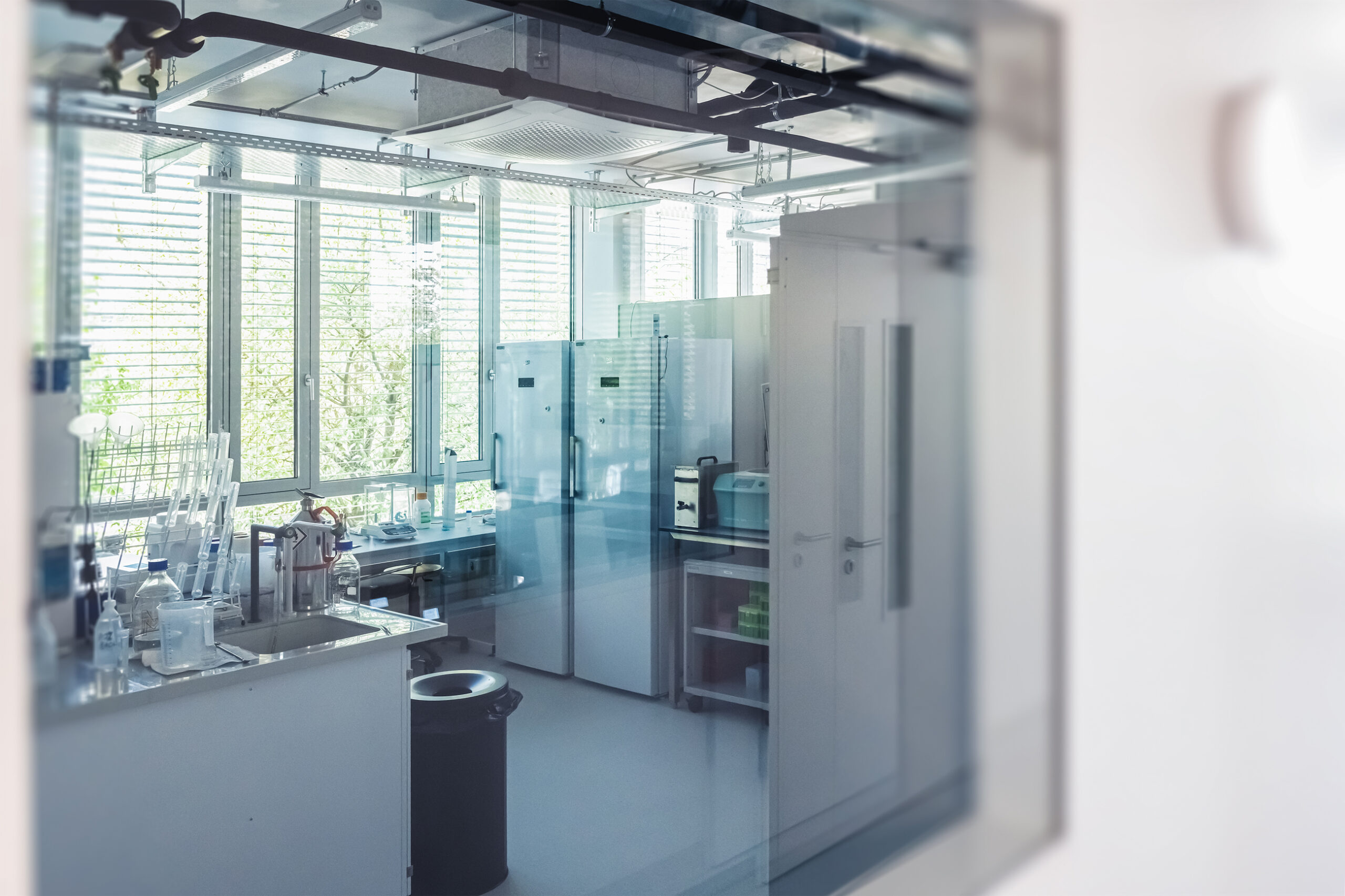
In microbiome research, we support companies that produce probiotics or live biotherapeutic products (LBP). These are drugs that contain bacteria or at least influence the microbial composition of the microbiome.
And it is. Broken down, however, this means that the effect of these drugs and the extent to which the microbiome is influenced can be determined or measured more precisely than with any other method. We can “look” specifically into the microbiome, so to speak, and say which microorganisms are influenced, multiply or decrease.
You could say that. But our technology can also contribute to improving the stability of biological wastewater treatment plants.
In concrete terms, this means fewer malfunctions and greater sustainability. The efficiency of the systems is increased. While at the same time protecting the environment. We have been working on this since 1997! We are convinced that in the near future every wastewater treatment plant will be equipped with this “monitoring of biology”.
When it comes to drinks, we help to keep them free from contamination. This applies to both non-alcoholic and alcoholic beverages. In Bavaria in particular, with its centuries-old tradition of brewing, our processes help to maintain the quality of beer.
We are in the growth phase. The importance of direct microbiology, which detects microorganisms directly at the site of their action, is increasing all the time. Hallbergmoos is an excellent location for driving innovation in microbiology worldwide. We have an extremely motivated and competent team that is looking forward to driving our vision forward with vigor.
And we are doing everything we can to ensure that microbiome research from Hallbergmoos is maintained, that you can continue to do your work and that our beer has the quality it has! Thank you for the great interview, Dr. Snaidr!
For more company portraits of companies based in Hallbergmoos, click on the Business tab in the Companies category or here.
Image material (c) Rock Capital Group, photo Claus Uhlendorf
You need to load content from hCaptcha to submit the form. Please note that doing so will share data with third-party providers.
More InformationYou need to load content from reCAPTCHA to submit the form. Please note that doing so will share data with third-party providers.
More InformationYou need to load content from Turnstile to submit the form. Please note that doing so will share data with third-party providers.
More InformationYou are currently viewing placeholder content from Google Maps. To access the actual content, click on the button below. Please note that data will be shared with third-party providers.
Further informationYou are currently viewing a placeholder content from OpenStreetMap. To access the actual content, click the button below. Please note that doing so will share data with third-party providers.
More Information